Samudra Vruksha Abhiyan
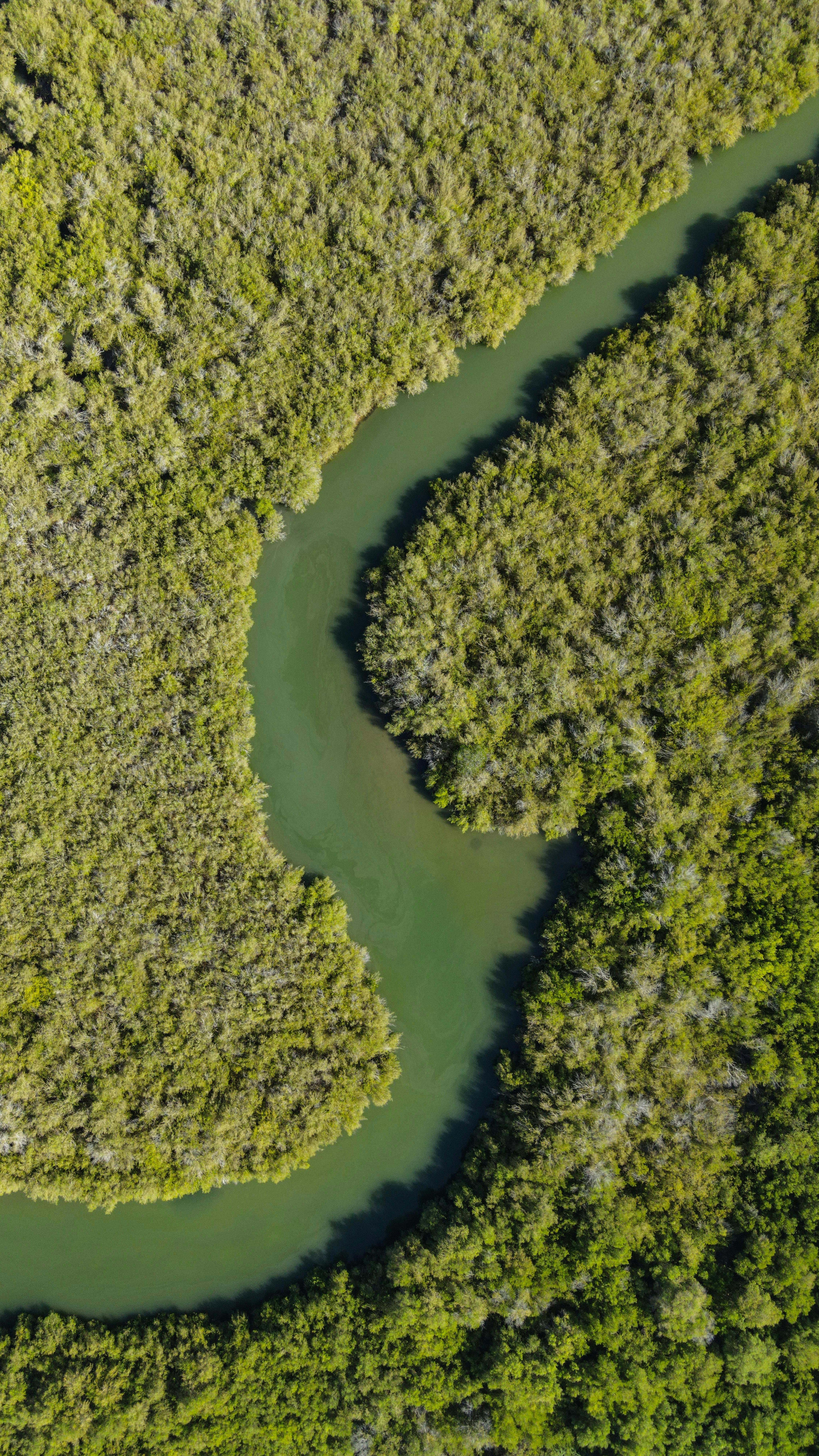
Dense mangrove plantation using the Fishbone Canal Method with fisherwomen-run nurseries generating carbon-credit revenue
Reviving Coastal Forests
Samudra Vruksha Abhiyan restores coastal ecosystems through dense mangrove plantation, combining ecological restoration with livelihood generation for coastal communities.
Why Mangroves Matter
Mangroves are coastal guardians—they protect shorelines from erosion, provide breeding grounds for fish, sequester carbon, and support coastal livelihoods.
But India has lost over 40% of its mangrove cover in the past century.
Samudra Vruksha Abhiyan uses the Fishbone Canal Method for dense plantation and involves fisherwomen in nursery management, creating both ecological and livelihood outcomes.
Fishbone Canal Method
Scientific mangrove plantation technique ensuring high survival rates and dense forest regeneration
Methodology
- Tidal canal network design
- Species-specific plantation zones
- Nursery-raised seedlings
- Monthly survival monitoring
Livelihood Integration
- Fisherwomen-run nurseries
- Carbon-credit revenue potential
- Community plantation teams
- Long-term stewardship training
Expected Outcomes
Ecological Restoration
- 999+ acres of dense mangrove forest
- High survival rates (verifiable)
- Carbon sequestration at scale
Community Livelihood
- Fisherwomen livelihood households
- Carbon-credit revenue streams
- Enhanced fish breeding grounds